The team behind Brooky Monster didn’t just discover bowling — we grew up in it.
Kids of the 80s, raised in bowling alleys, we watched this sport transform itself
technically across four decades in ways that most people outside the game never noticed.
The Ball
Urethane → Reactive → Urethane
Urethane ruled the 80s. Then reactive resin hit in the 90s and scoring took off. What once demanded precision suddenly became accessible, so the game adjusted—tougher oil patterns, more strategy.
By the 2010s, players circled back to urethane for control, and the debates picked right back up.
The technology keeps changing. The culture? Still as serious—and as silly—as ever.
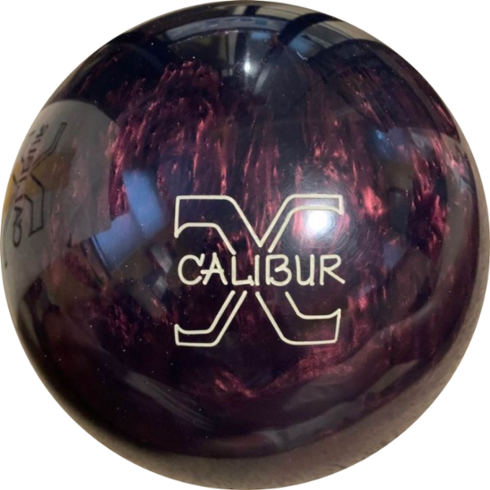
Nu-Line X-Calibur — the first reactive resin ball to hit the market in 1991 making a new technological dent in the game. Cool name, bruhhhh!
The Lanes
Wood → Synthetic
Synthetic lanes brought consistency and lower maintenance costs to centers everywhere.
The unpredictability of worn wood — part of what made the game feel alive — gradually
faded. More control. More precision. More pressure to be perfect.
The Pins
Free-Fall → String Pins
The newest shift. String pins divide the bowling community like nothing before them.
Purists rage. Centers embrace the economics. The game keeps changing its clothes
while the culture underneath stays exactly the same.
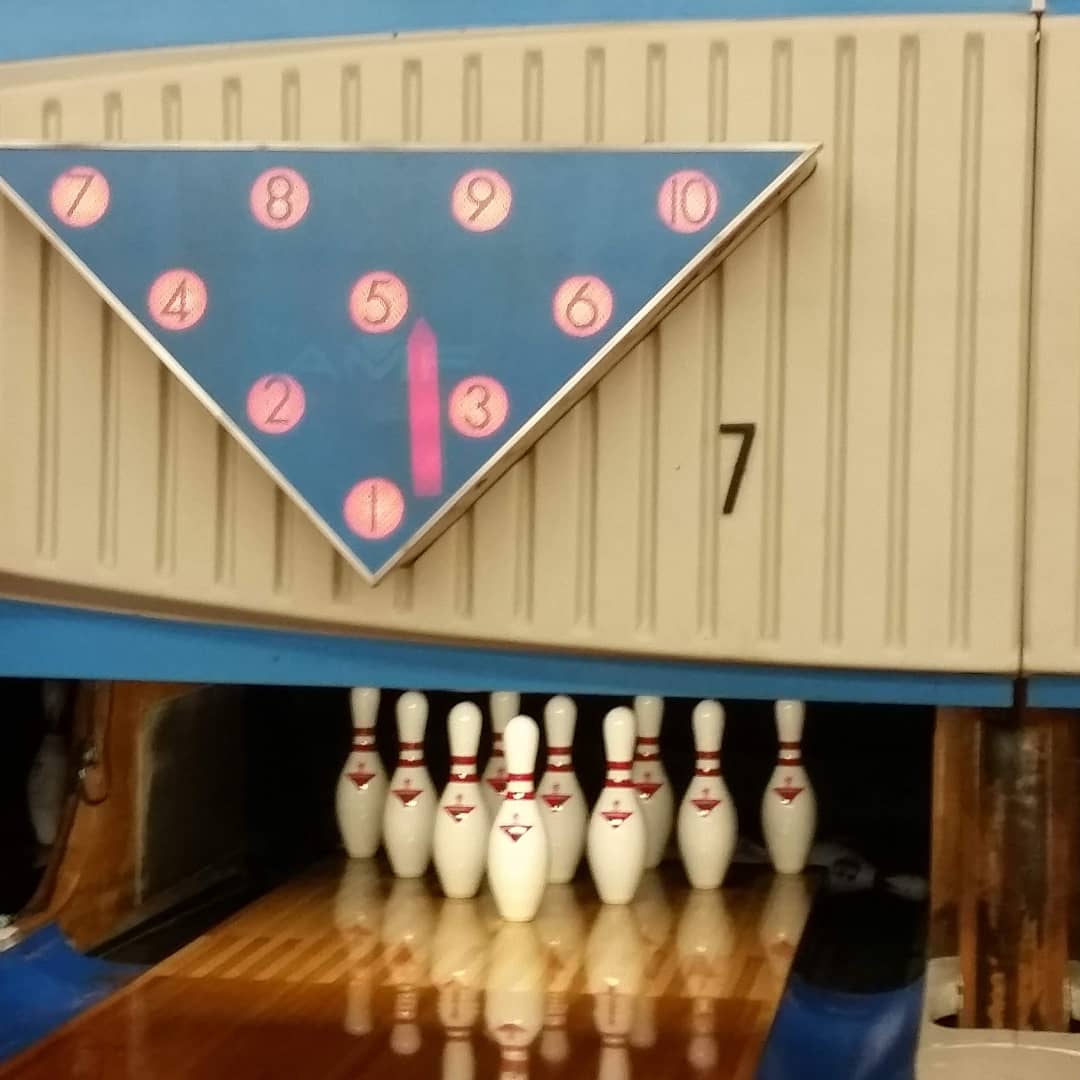
The AMF Magic Triangle (aka: Pindicator) — those unmistakable lights told you exactly which pins were left standing. Left: the unit dark between frames. Right: lit up mid-game, pins still on the lane below. An icon of the free-fall era. Ahh... the sweet nostalgia!
The Oil
Simple Patterns → Endless Combinations
What used to be a simple layer of oil became a maze of sport and challenge patterns, each demanding a new ball, line, or strategy.
Now the oil alone can make or break a league night before a ball is thrown — more complexity, endless variations, and far more stress in a game that was once just fun.
We watched all of it. We argued about all of it. And through every equipment revolution,
every lane technology upgrade, every rules debate — one thing never changed:
the culture around the game stayed relentlessly, exhaustingly serious.
Winning was everything. Your average mattered. Your rev rate and speed mattered. Your axis tilt
mattered. The gear got more technical, the coaching got more intense… and somewhere along the way,
the fun started to fade.
But it never really left.
It's still there—in the laughs, the lucky breaks, the ones that had no business working… and did anyway.
You know the ones.